Tag Archives: construction waste management

A trashy decision

I have this major battle going between diligently separating my construction and demolition (C&D) waste (see also 07/12/2009 post), or to give in and start comingling it like everybody else does and have it recycled later (see also 07/17/2009 and 07/25/2009 post).

When asking around to why we (in Chicagoland) don’t separate our C&D waste, the predominant opinion is that the contractors don’t want to deal with it. Hello! Any contractor out there who disagrees? I’d like to hear from you!

I do know that contractors on out-of-state projects do separate their materials on site and that it does work well (see also 07/17/2009 post). And think about it. These are smart people who have to schedule, organize and coordinate complex construction operations. This takes a lot of skill and assuming that they can’t handle a simple task such as C&D waste separation seems – let’s say, unreasonable.

So, what do I do with my C&D waste and where do I go from here with all I recently learned? I will stick to my guns and continue with the separation process I started (see also 07/12/2009 post), because the effort is not in vain. I went over the logistics with my waste hauler (Kevin from WasteBox, Inc.) and determined that we create some efficiency after all.

I understand from my conversations with him that I am somewhat an exception. Not all customers are as diligent (or nerdy) with their separating of materials, and so Kevin must sort through the Dumpster loads and recycle in his yard.  He has visited and seen my operation (and obsession) and has the confidence that I don’t mix or hide materials in the bottom of a container.

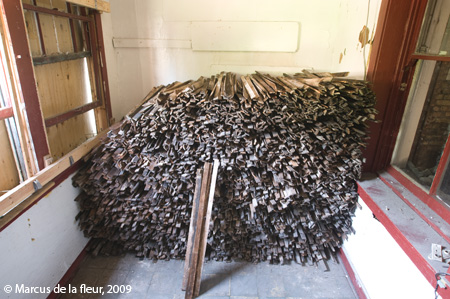
When I have a clean, single material load, such as drywall and plaster only, Kevin can transport the material directly to a transfer station without going sieving through the materials searching for recyclables. A load of “clean” wood that I collected, such as all the wood lath, can go directly to a wood recycling facility, eliminating the double handling of materials and reducing the cost for that Dumpster load.

Why should I throw metals or old electrical cables into the bin, if I can put them into the back of my truck, bring them to a metal scrap yard and even get a few bucks for it? And why on earth should I give up the feel-good factor, all the fun and sense of accomplishment I get from my construction waste management adventures?  I’ll keep separating.

A visit to the recycling facility

In Chicago, we do things our way – we commingle our construction and demolition waste only to have it in some cases sorted, separated and recycled later (see also 07/17/2009 post). I still can’t get over this thinking that separating materials at the source (the construction site) would be so much more effective.

My friend Ted Krasnesky at Pepper Construction had the following advice for me:

“…I’d recommend you visit their [the waste hauler’s] transfer station and watch it [the recycling process] in action.”

Why not? Maybe this will put my mind to rest. I pitched the idea to Kevin Loeffler at WasteBox, Inc. (the waste hauler I use). He offered to come out to my project site to look at the construction waste management set up and advise me about the various materials and their processing, and also to arrange for a visit to the transfer station (or recycling facility) he uses.

Fast forward a week: Kevin introduced me to Joseph Volini at the Heartland Recycling facility where we got to tour the recycling operation. Joseph was generous enough to let me take some photographs for this blog.

heartland-01

It all starts with a big pile of commingled construction and demolition waste. Yes, I was tempted to start looking for one of my Dumpster loads, but did not want to waste Kevin’s or Joseph’s time.

heartland-02

Once we walked around the 1000 cubic yards of debris we got to the (mostly) automated recycling facility. Let’s follow the process step by step from the beginning.

heartland-03

The debris is moved from the pile onto a large conveyor belt that transports it into the processing facility. Joseph indicated that a lot of recycling is happening right at this point. The key is to have a good equipment operator who has the skill to use the claws on the equipment like tweezers. Rather than dumping stuff indiscriminately on the belt, the operator carefully picks through the piles and pulls out any larger and heavier recyclables such as concrete, wood pieces, cardboard, metal, etc.

heartland-04

What remains is transferred onto a giant sieve (to the right in the image above), where coarse and fine materials are separated.

heartland-05

Anything smaller than two and a half or three inches will fall through the sieve and is transferred onto another conveyor belt (to the left in the image above).

heartland-06

In that process, a large magnet pulls and collects the ferrous metals such as nails, screws, pieces of metal piping, etc. and dumps them into a collection container.

heartland-07

The remaining fines are now largely free of ferrous metal and are deposited in a stall. Joseph explained that this material is mixed with the slush from catch basin cleanouts to solidify the material. It than is transferred to landfills where it is used as a cover material at the end of each day.

So much for the fine material. But what happened to the coarse stuff that did not fall through the sieve?

heartland-08

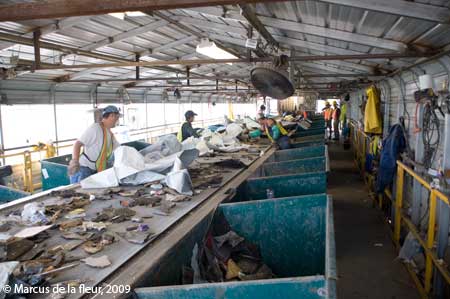
A conveyor belt transports it to what Joseph called the mezzanine, where the manual separation takes place. The belt is loaded with materials when entering the processing area (see image above), but not much is left towards the end of the mezzanine (see image below).
heartland-09

Along the belt are several workstations that are placed between chutes – the rectangular openings along the conveyor belt. At each station the handler scans the belt for recyclables that belong into his/her respective chute.

heartland-10

The first material that is pulled out is non-painted, non-contaminated wood (also referred to as “clean” wood) that is thrown onto another conveyor and transported to a wood chipper. The chips sometimes enter into the landscape trade, but are more often used as bedding for animal feed stock.
heartland-11

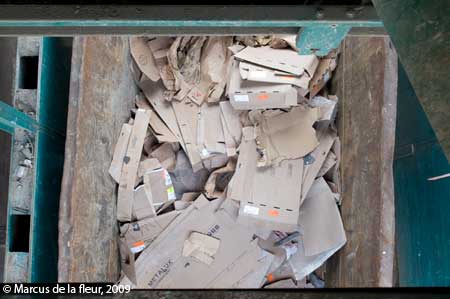
Next, cardboard and paper based waste is collected in a Dumpster under the chute…

heartland-12

…followed by non-ferrous metals one chute over. The more valuable scrap metal such as copper and brass is not thrown down the chute but is actually collected in bins at the mezzanine level.
heartland-13

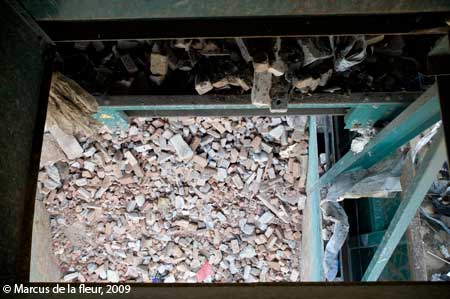
Last but not least, chunks of concrete and other masonry pieces are collected. This is basically anything that can be recycled into road base or other aggregates.

heartland-14

If we look below the mezzanine, we find the stalls that line up with the chute openings. The red equipment to the far right is the wood chipper, followed by the containers for the cardboard and non-ferrous metals and the stall for the coarse aggregate and masonry collection.

heartland-15

The really sad part is at the very end of the mezzanine, where anything left that cannot be recycled or had been missed is dumped into a large trailer, destined for the landfill.

How much material is actually getting recycled in an operation like this? According to Joseph, between 65 and 70%. This number includes the fines that, after solidifying the catch basin slush, are used as a landfill cover. Joseph indicated that there is some controversy to whether this qualifies as recycling. It apparently does in the eyes of the U.S. Green Building Council, who prefers to see this material with its high waste content being used as a cover, rather than virgin soil.

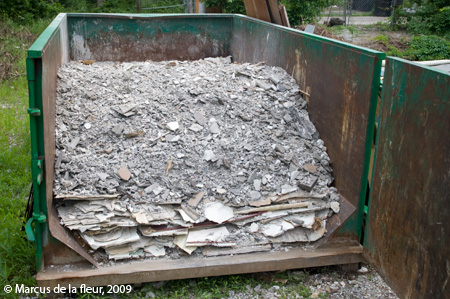
Kevin (WasteBox, Inc.) explained that some Dumpster loads he hauls are directly transferred to the Heartland Recycling facility. This applies typically to single material loads, such as my plaster from the deconstruction.
non-recycable-03

Commingled loads, Kevin continued, go to his yard first, where his crews empties the Dumpster to pull all major recyclables. It is a much simpler operation because WasteBox has not the amount of real estate that Heartland Recycling has.

Kevin indicated that he diverts up to 75% of the construction and demolition debris he receives. He can sell off the salvaged cardboard, clean wood and metal scraps, which helps him to keep cost down and pass the savings on to the customer (yes, that is me!) by keeping his Dumpster rates low. Most remaining items he cannot recycle are transferred to the Heartland Recycling facility.

I am somewhat impressed by the recycling operations and the amount of content that gets diverted from the waste stream. That said, I still cannot shake the impression that separating materials at the construction site is the more efficient way and could probably result in even more waste diversion. That is, however, an item that Kevin or Joseph cannot control. They do the best they can on their end. It would be up to the construction trade and contractors to separate materials before they get to the waste hauler.

I feel privileged to have had the opportunity to visit and learn about the recycling process for my construction and demolition waste. I would like to extend a heartfelt thank you Kevin Loeffler (WasteBox, Inc.) and Joseph Volini (Heartland Recycling LLC) for their time and patience.

WasteBox, Inc. (http://www.wasteboxinc.com)

Heartland Recycling LLC (http://disposall-waste.com)

Construction Waste Management

Call me weird, but I have way too much fun organizing my deconstruction materials into re-use, salvage and recycle piles.  The waste avoidance and reduction process (see also 07/09/2009 and 07/12/2009 posts) is also known as Construction Waste Management (CWM) in the green building industry.

Chicago has an ordinance that requires the diversion of 50% of construction waste from the landfill. This ordinance applies to residential project with four or more units. The Chicago Green Homes program encourages a construction waste recycling plan that diverts 75% of construction waste from the landfill, exceeding the ordinance by 25%.

So – maybe my obsession and enthusiasm with re-use, salvaging and recycling is not so weird after all. But then, strange things happened.

I diligently separated all the drywall and plaster which cannot be reused or recycled and packed it into our 16 cubic yard dumpster. The dumpster was full to the rim.  I called our waste hauler (WasteBox) and they sent a truck out for pickup. Problem was, the truck was unable to pick up the dumpster – it was way too heavy. They had to send for a bigger truck.

I promptly received a phone call from Jodi (at WasteBox) asking me politely to make the next load less heavy.  Kevin, the owner of WasteBox, also followed up with me. He suggested mixing in some lighter materials (such as wood). But I was confused. What happened to the idea of CWM? What about separating to maximize all recycling opportunities?

Kevin explained that all dumpsters are going to a recycling facility for processing anyway. “That is where all recyclables are pulled out.” Is that for real? I have been working on out-of-state green building projects where the general contractor separated construction and demolition waste onsite, by having a dumpster each for cardboard, wood, metal, plastics, etc. Even a quick Google search leads to examples of onsite material separation.

Example 1

Example 2

Not so in Chicagoland, confirmed my friend Ted Krasnesky at Pepper Construction. It is typical to comingle construction and demolition debris and have it sorted at a recycling facility.

Fine, if this is how we do things here in Chicago, so be it. But it still doesn’t make much sense to me. It would be so much more efficient to separate materials at the source (the construction site) rather than at a recycling facility, and would eliminate all the double handling (and hopefully reduce cost).

I still like to keep my materials separated. But what I really like to know is how materials get sorted and recycled by the waste hauler or in the recycling yard.

Separating materials

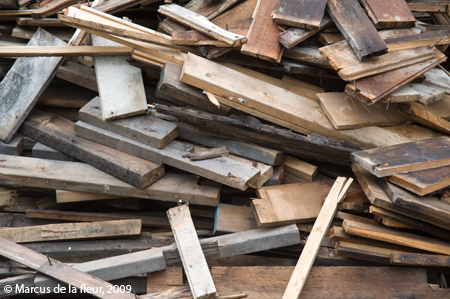
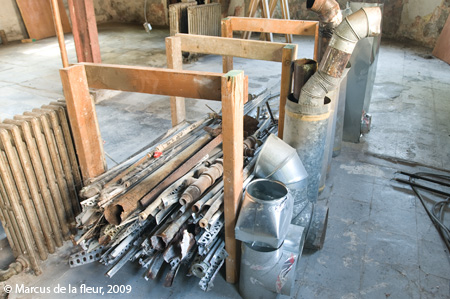
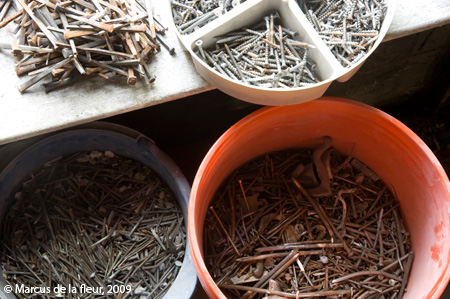
If you have followed some of the recent posts, you will be aware that we are knee deep in the deconstruction process.  It is important to us to get this right, not only from a workflow perspective, but to minimize the amount of construction waste (see also 07/09/2009 post). To get there, we organize all deconstruction materials into four major categories and separate them accordingly:

Reuse

reuse-01 reuse-02 reuse-03

reuse-04 reuse-05 reuse-06

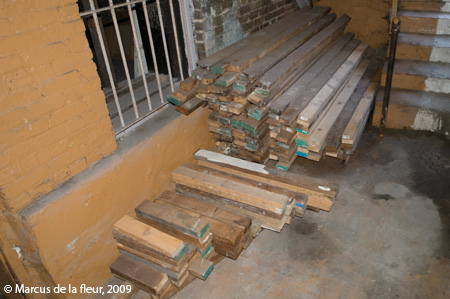
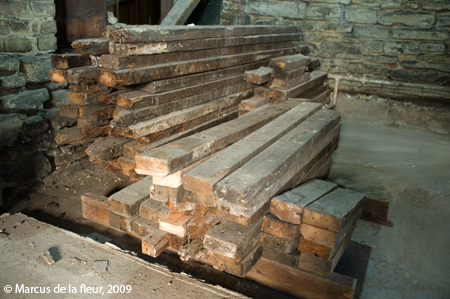
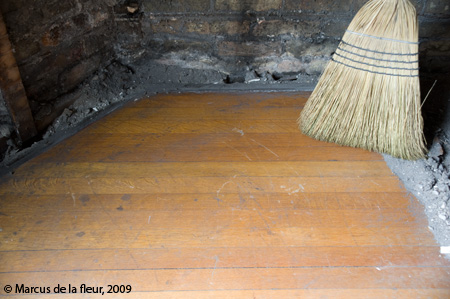
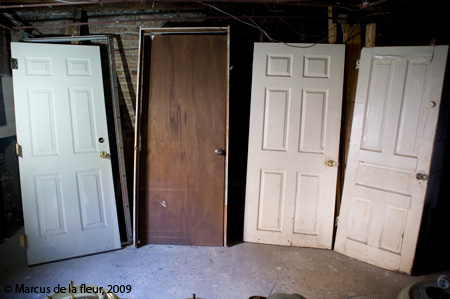
You’ll be surprised how much materials are available for reuse if deconstructed, rather than just ripping things out. Cathy started with saving all the casings and trims (see also 06/02/2009 post), most of which are high quality oak, beautifully crafted and definitely something we’d like to put back. There also were some doors and associated hardware, electrical accessories, lumber such as old growth and nominal studs, and a big old heavy cast iron bath tub. Another treasure that we will reuse, or better said restore, are all the beautiful quarter-sawn wood floors. Reuse is high on the priority list as it keeps the items out of the waste stream and reuses the embodied energy. Reuse is as close to waste elimination as we can get.

Salvage

salvage-01 salvage-02 salvage-03

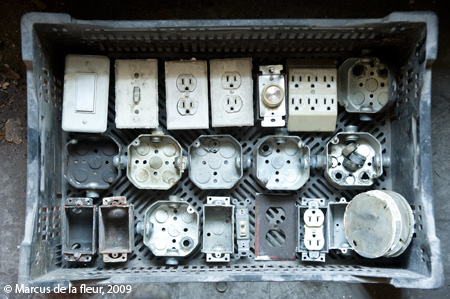
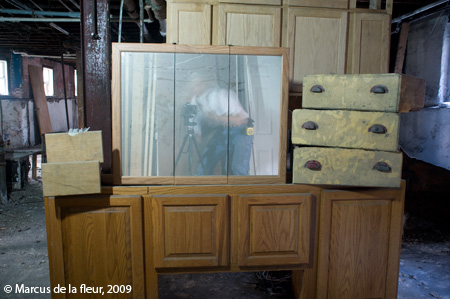
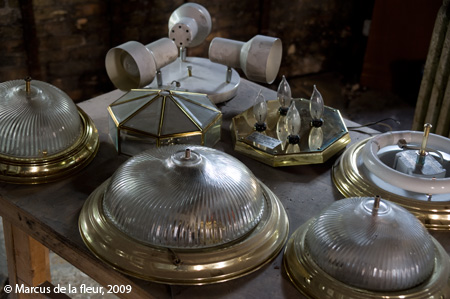
I consider salvaging different from reuse—the next best option. These are items that we have but don’t need and which we plan to donate or resell such as some of the doors, light fixtures, cabinets, the original furnaces, radiators, and those windows that are still intact but which we will replace. Although they are slated for reuse by a new owner, I consider these items are a step closer to the waste stream.

Recycling

recycle-01 recycle-02 recycle-03

recycle-04 recycle-05 recycle-06

This has become a big buzzword, but we don’t feel that good about it. I would argue that recycling is mostly downcycling and takes the material a big step closer to the waste stream.  It is the product of failure to eliminate waste. With reuse and salvaging, as described above, the material should not lose its original intended functionality or embedded energy. With recycling, it often does.

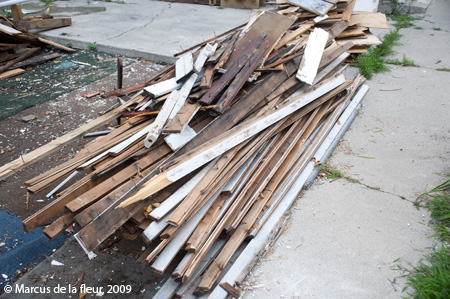
Did I just spoil your recycling enthusiasm? Here is the upside: at the least it allows us to keep materials such as clean wood/lumber, metals and concrete out of the waste stream and the landfill and give it at least one more purpose in its lifetime, such as woodchips, recycled metal contend in a steel product and road base aggregate.

Remaining, non-salvageable or recyclable waste

non-recycable-01 non-recycable-02 non-recycable-03

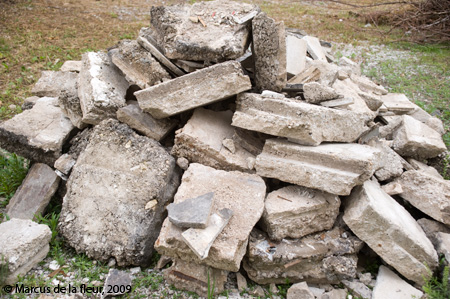
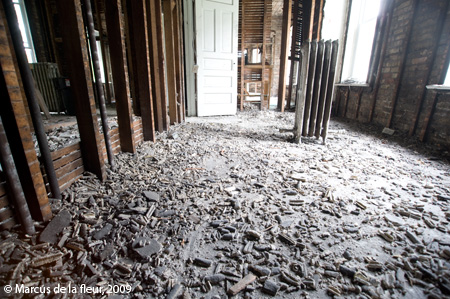
This is the last and very sad category. No matter how hard we try, or which direction we turned or twisted it, there is no reuse and recycling for painted drywall, old plaster, and painted wood/lumber that we can’t otherwise reuse. And there is a lot of it, destined for the landfill.

I really like to finish this post on a positive note, but I just got my mind locked into that landfill thing again.