Tag Archives: shipping container

Container planning

In Chicago, you always want to get the right permit for the job. And my next job was to install a 20 foot decommissioned shipping container in our yard to serve as a garden shed.

With that in mind, I made sure that we met the various zoning requirements. My intent was to place the container on the vacant lot we own next to our house. But I couldn’t just place the container/shed anywhere on the lot. It had to be placed within the rear setback, which in our case was 30% of our lot depth, or 46.5 feet from the rear property line.
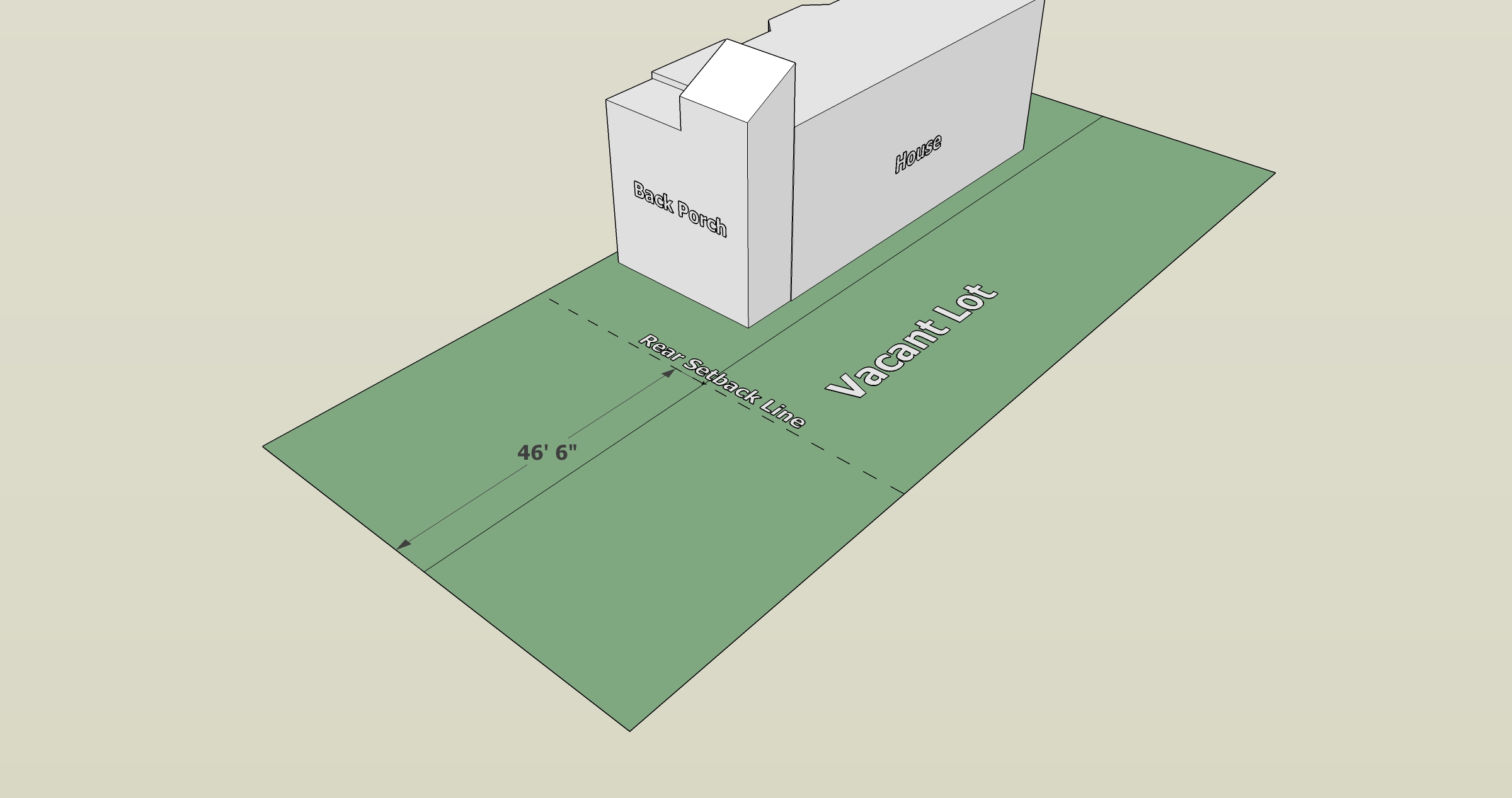
I chose a distance of 25 feet from the rear property line. This way I kept the container/shed as far to the back as possible while maintaining the option for off street parking that would be accessible from the alley.

Because the shipping container is made of steel, there were no fire or other side setback requirements. I chose to offset it by one foot from the property line.

For secure placement of the container, the Department of Buildings permitted it to be placed and anchored to a five inch reinforced concrete slab, which in turn is placed on a six inch aggregate base.

Well, it looks like I will not only have a garden shed, but a pseudo tornado shelter.
Related posts:

Container shopping

Some purchases are completed on autopilot. But on occasion there are those where you are not even sure where to start.

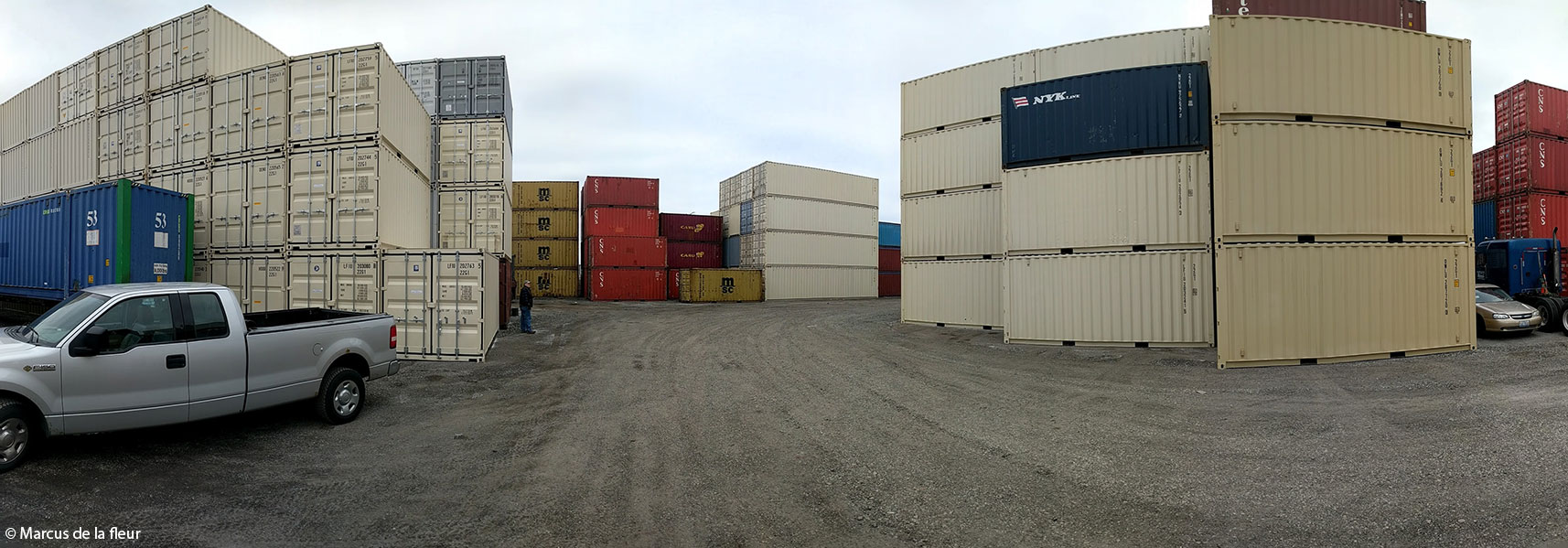
My attempts to purchase a decommissioned shipping container eventually took me to a local container yard, which made me feel really, really small.

But the road to that container yard was a winding one.

I first poked around the internet. It wasn’t difficult to find websites that offered shipping containers for sale. But they usually were new, pretty new, pretty pricey, or all of the above.

Plus, you usually couldn’t just add a shipping container to your shopping cart and check out. Instead you request a quote and get call backs from brokers. Some of them are “local” (i.e. within a two hour drive from Chicago), but most were not.

That was not my cup of tea. I was looking for hyper local to keep transportation costs down.

I pulled my mind out of the internet and went old school: I asked around my network for recommendations. My friend Mark Wille at Build Small Casitas put me in touch with a local broker, by the name of Ron. And that is how I ended up in that container yard, only a couple of miles from our house, feeling really small.

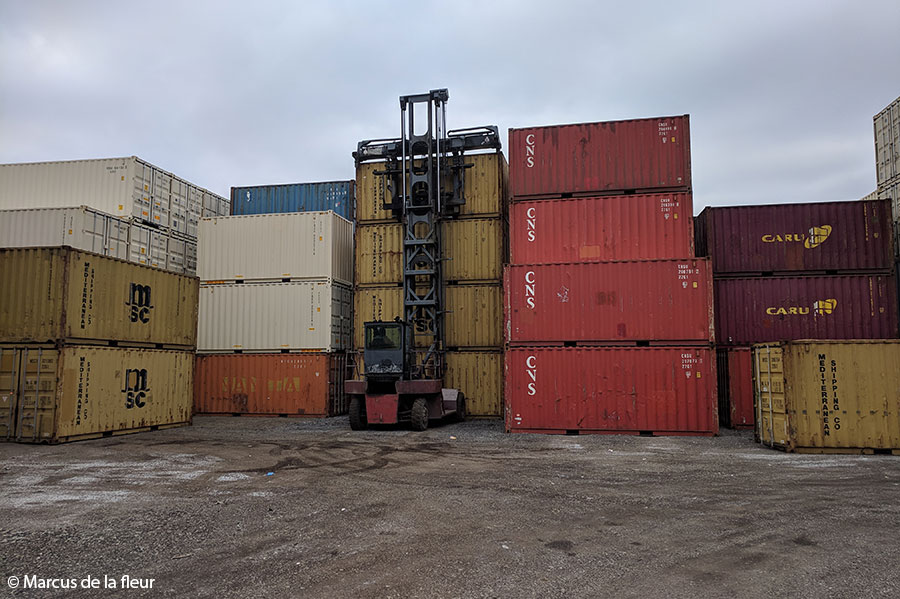
Ron led me to a stack of containers that were water and wind tight and in my price range. But it was impossible to pick one. If they are stacked two, three, or four tall and a couple of rows deep, you can’t see much of them.

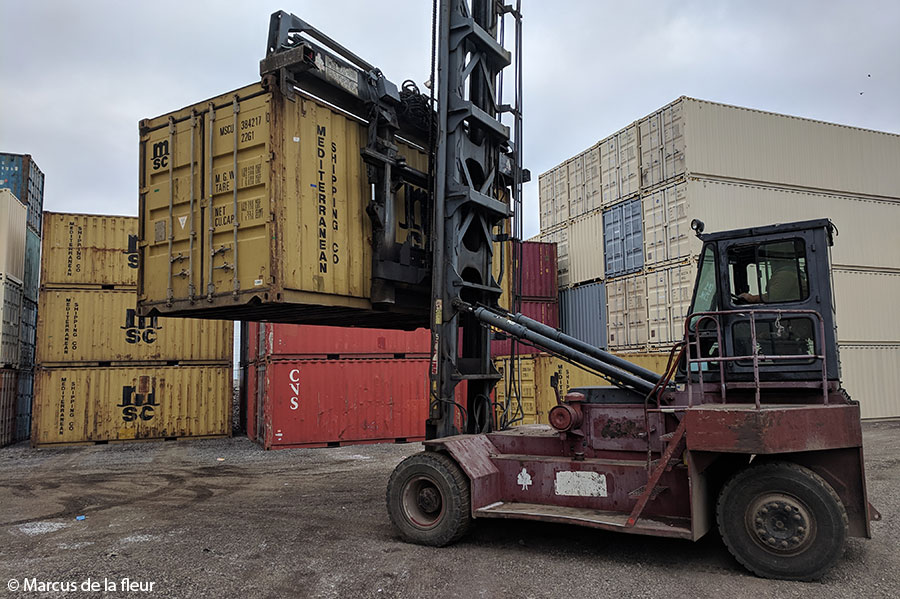
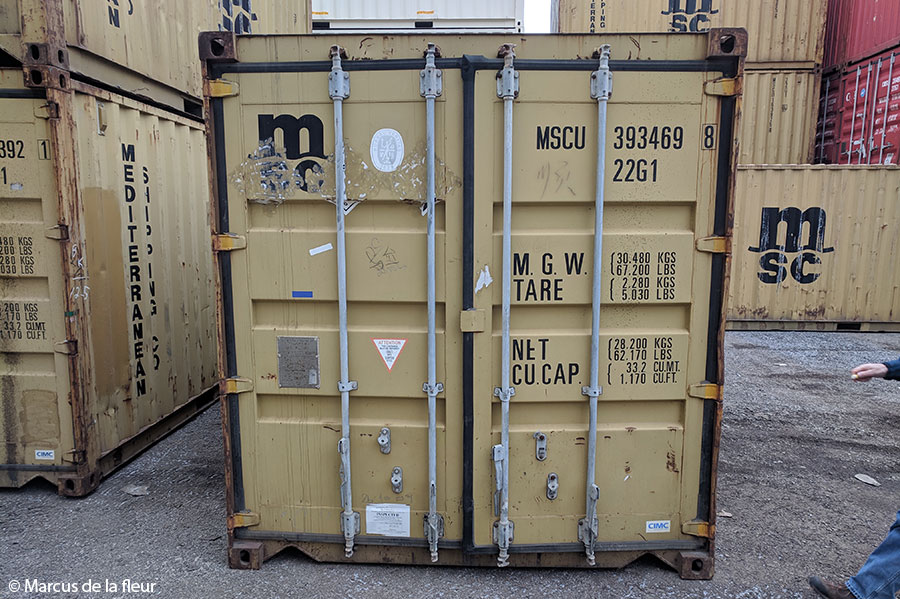
But no worries! Ron had arranged for the container handler to move any unit that looked interesting onto the ground so we could open it up and inspect it. After three or four, I came across the one container I liked.

We discussed and made arrangements for delivery, but more about that in another post. First I had to get the yard prepared for the container placement.

Related posts:

Container rational

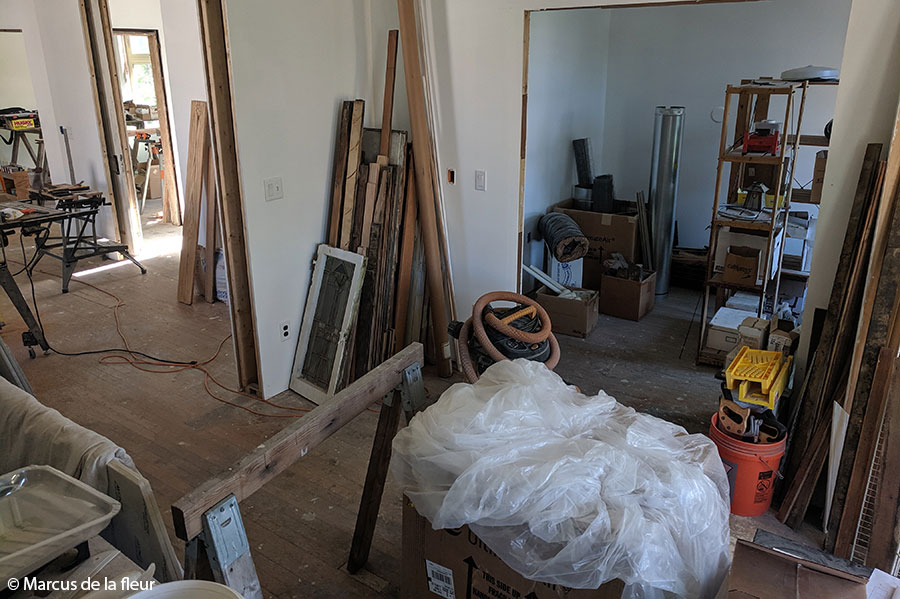
I was running short on storage space. The materials and tools I had on the second floor started to get in my way. And to finish the second floor, I need to get most of that stuff cleared out.

We don’t have a garage, and I am not really interested in building one, at least not at this point. Nor do I have a garden shed, which would be useful to stash things away. The problem with either one is that breaking into them isn’t that difficult. And that is a problem in an urban environment, particularly if we intend to store tools in the shed/garage.

In short, we needed a storage option that was secure.

The solution that came to mind was a decommissioned shipping container (also called intermodal container). They are made of steel and thus a reasonably secure storage option.

Shipping containers measure eight feet in width and eight and a half feet in height. Some containers are nine and a half feet tall. These are referred to as “high-cube”. Most shipping containers you may have seen are either 40 or 45 feet long. That was way too big for our purposes. The shortest standard size is 20 feet, which appeared to be my best bet, even though I was dreaming of a 10 foot long unit. But my initial research showed that 10 footers were custom fabricated and more expensive than a standard 20 foot unit.

The big question was, where does one purchase a 20 foot long decommissioned shipping container?