Majestic front porches are a typical staple of beautiful graystone and pseudo-graystone buildings like ours. This architectural feature from the era around 1900 crowns most front doors in our neighborhood.
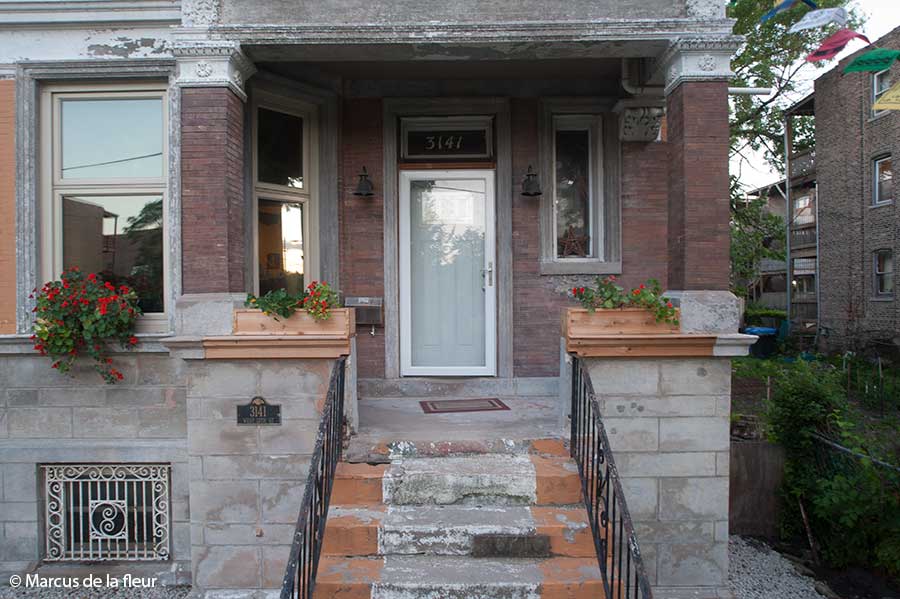
Yet it is a static and somewhat lifeless element — that is, it only appears to change with the light of the day and season. In that way it’s similar to a beautifully carved and weathering gravestone.
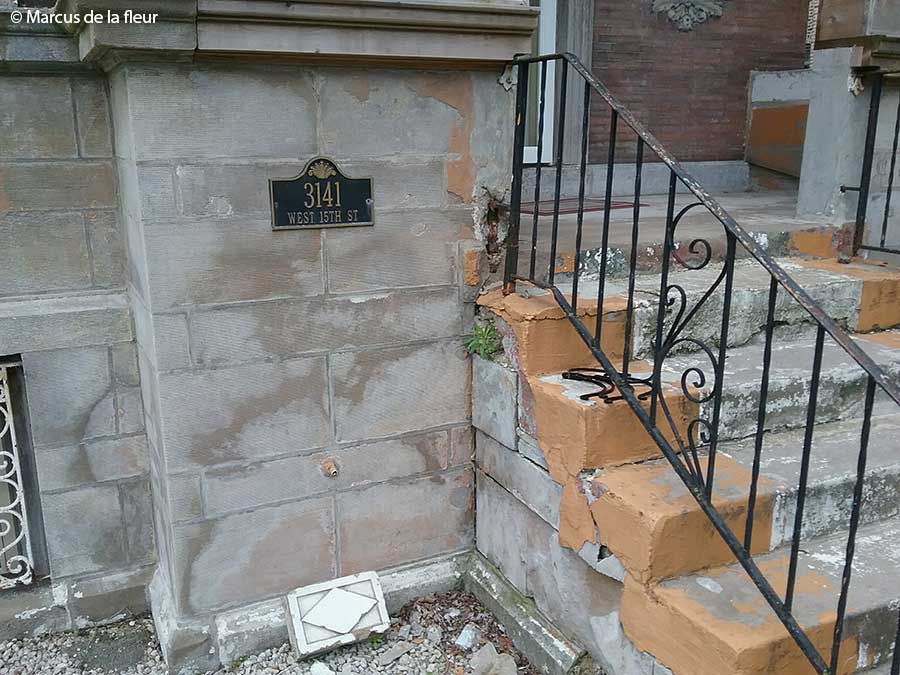
Sometimes inanimate architecture is invaded with life. And ironically, this rejuvenation is often observed when the actual structure is in the process of decomposition. Think of ruins, abandoned houses or farms, and retired industrial complexes, where a squatter by the name of Nature moves back in when no one is looking.
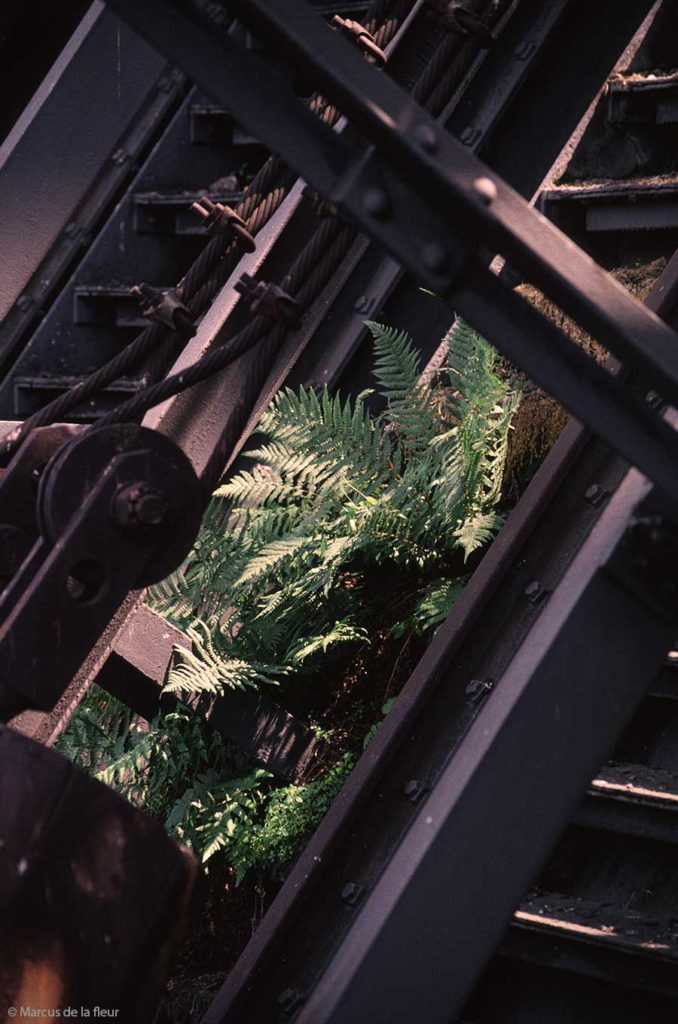
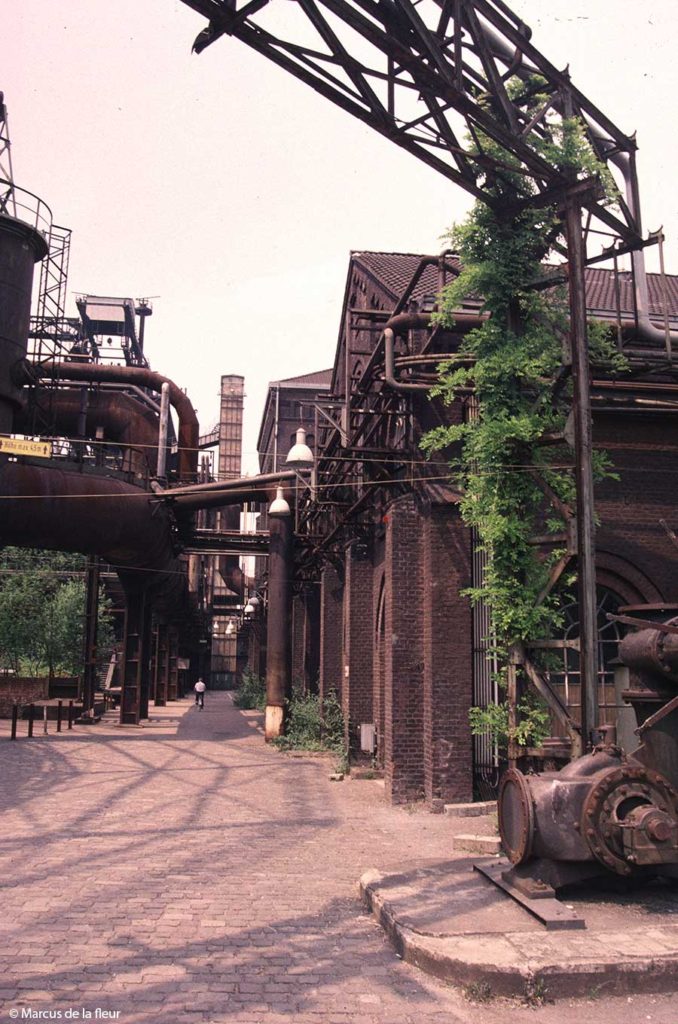
The contrast can be stunning between the proud man-made forms and lines that speak of control and hubris, versus the volunteering verdure, with its persistence, perseverance, and resilience that designers dream of, if only it would not be so unrestrained.
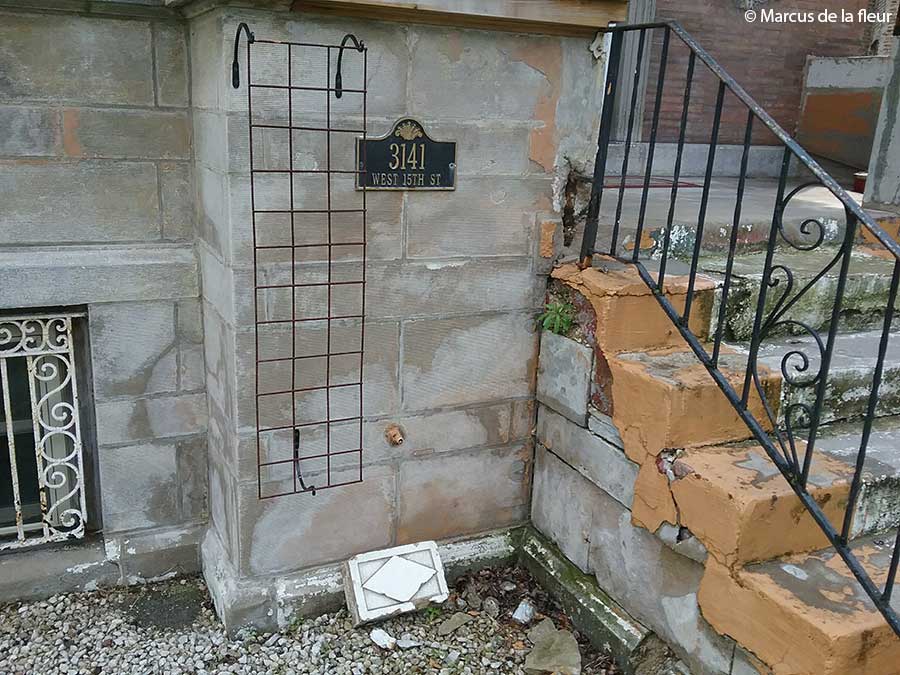
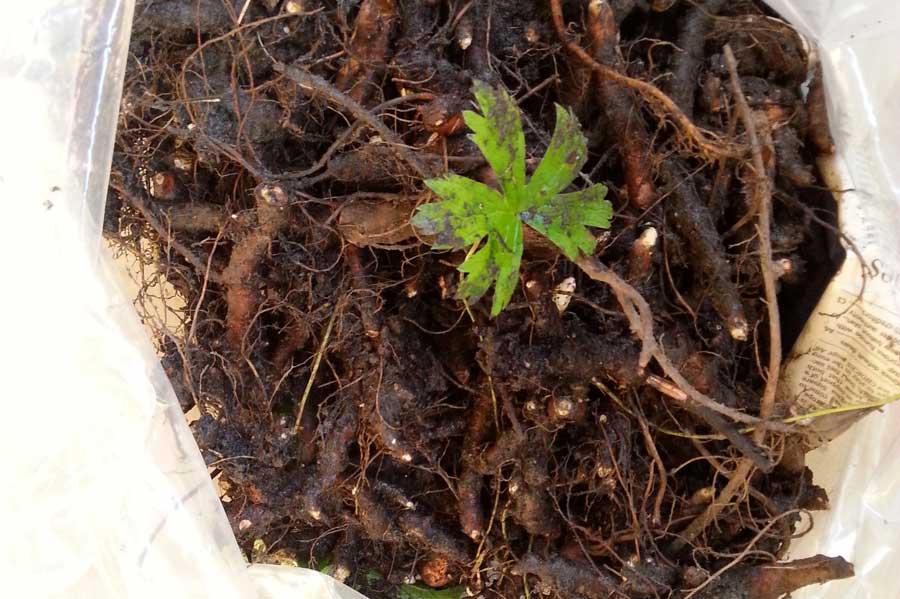
The impulse of controlling vegetation is at least as a old as farming itself. And even though it looks like a cage for a climber, I just try to lend a helping hand, because the obituary of this architectural artifact has not yet been written. (This applies more to our front porch, upon closer scrutiny, and less so to the stairs, which are due to be replaced.)
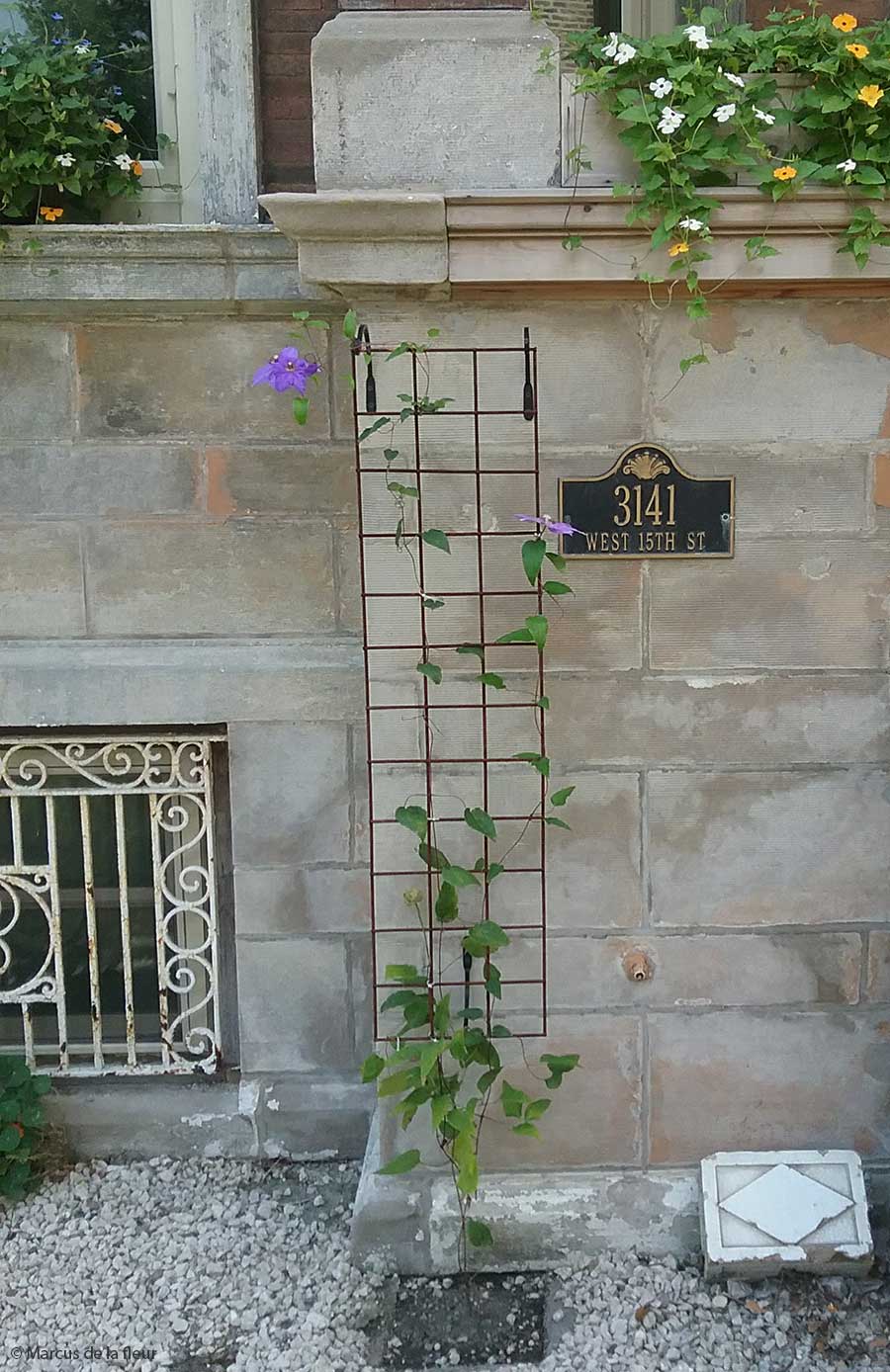
What if we can find a balance in which we embrace vegetational vivacity and let it harbor on our structures before they turn into relics? And instead of feeling threatened by its independent temperament, we can begin to laud its liveliness and ostensibly endless network of interconnectivity.

Dare I suggest that the ever changing, climbing, ranking, and rambling can, on occasion, improve the architectural form, and with it our quality of life?
Just sayin’.